
AI
Mega Noticias: AI revolution talking
Artificial intelligence democratizes audiovisual design. Discover why it's a historic opportunity and how to integrate it without losing quality.

ASTRO

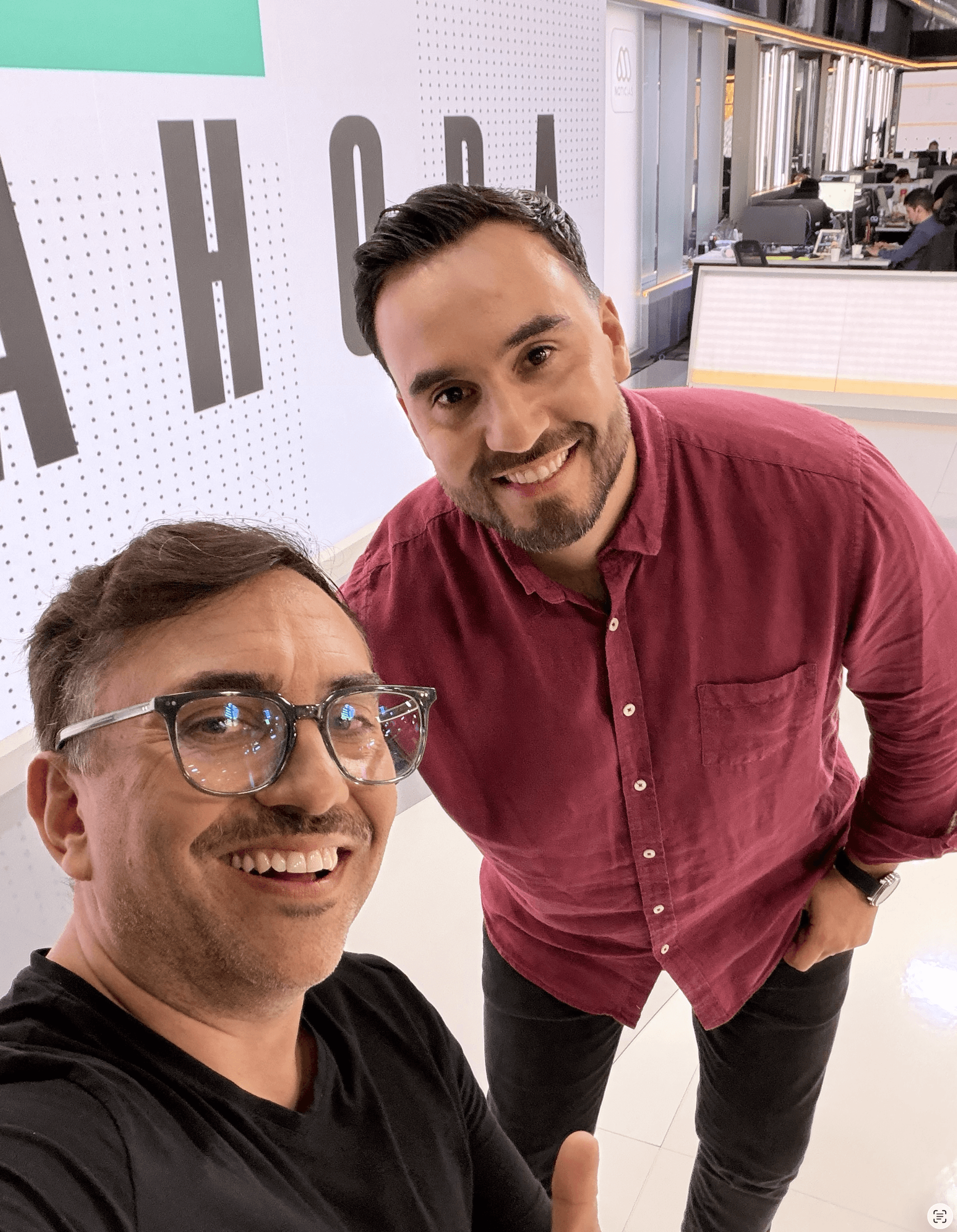
A few days ago, I had the privilege of speaking with journalist Daniel Silva on the Planeta Futuro segment of Meganoticias, broadcast live on Mega, to analyze a phenomenon that is shaking our industry: the emergence of artificial intelligence in video generation. During our half-hour interview, we delved into how this technology is redefining the paradigms of entertainment, advertising, and cinema worldwide. From the overwhelming success of AI-generated vertical melodramas in the Chinese market to the intense debates over copyright and identity currently putting major Hollywood studios on alert, it is clear that we are no longer facing a simple passing trend. We are navigating an accelerated transition phase that is shaping up to be the new great industrial revolution of the audiovisual world, where the border between fantasy and reality becomes increasingly imperceptible.
Far from seeing this scenario as a threat that comes to replace human talent or extinguish traditional filming, in our conversation we highlighted the immense opportunity it represents for the democratization of creativity. Historically, producing top-tier science fiction content or visual effects required astronomical budgets, limiting the stories we could tell. Today, emerging tools allow independent filmmakers and studios to access resources that previously seemed unattainable, giving free rein to impossible worlds where the only barrier is imagination. Even for the actors themselves, AI offers fascinating ways to expand their work, allowing them to undergo extreme physical transformations or play fantastic characters without subjecting themselves to demanding bodily wear and tear, thus opening a range of narrative possibilities that we are just beginning to explore.
From our trenches at Feels, where we have been developing visual effects and marketing campaigns for global franchises like Game of Thrones or Stranger Things since 2009, we have understood that the key lies in the intelligent integration of these technologies. For this reason, and to maintain our demand for maximum quality while exploring the frontiers of what is possible, we have launched Astro, our studio dedicated entirely to experimenting with artificial intelligence. Through this new creative arm, we have already managed to materialize projects of global impact, working side by side with music icons like will.i.am of The Black Eyed Peas, and developing innovative campaigns for entities such as FIFA and the United States government. Our philosophy is clear: artificial intelligence is not a destructive fire, but a powerful instrument that requires the artistic criteria, digital retouching, and trained eye of human professionals to reach a standard of excellence.
This paradigm shift invites us to stop looking at local limitations and start thinking like a truly global market. As we discussed with Daniel on open television, Chile has a golden opportunity to consolidate itself as an exporting hub of talent and art generated by artificial intelligence during this 21st century. We have one of the best telecommunications and internet infrastructures in all of Latin America, coupled with exceptionally advanced human capital that perfectly blends excellent audiovisual professionals with cutting-edge technology experts. Cases like that of other national production companies have already shown us that it is possible to break geographical barriers and produce world-class series from our country; today, with these new democratizing tools in our hands, the possibility of offering highly complex creative services to the rest of the world is a tangible reality that we must seize with ambition.
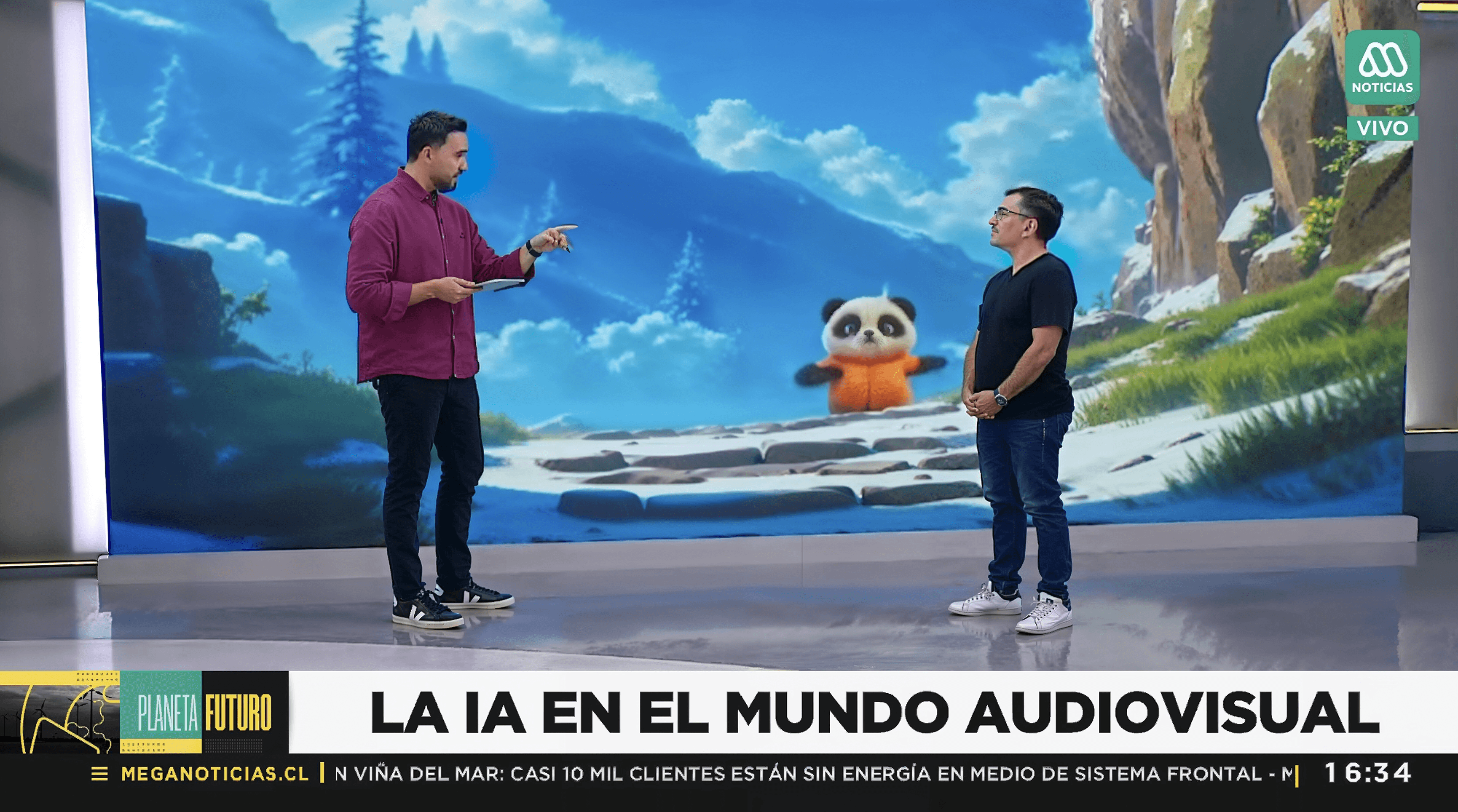
Finally, the impact of this audiovisual revolution does not have to be limited exclusively to the world of cinema or advertising; it has enormous transformative potential for fundamental areas such as education. All of us who are parents know how challenging it is to capture children's attention with traditional content, especially when they are immersed in a digital environment full of dynamic stimuli. Imagining a redesign of school curricula where history, science, or biology are reimagined through immersive and attractive AI-generated videos could drastically increase retention and neurolinguistic comprehension levels in students. Integrating these tools at the public policy level could not only modernize our classrooms but also inspire future generations of creators to continue pushing the limits of what is visually possible.
♡ Thanks Daniel, Lorena and Ignacia for this interview!